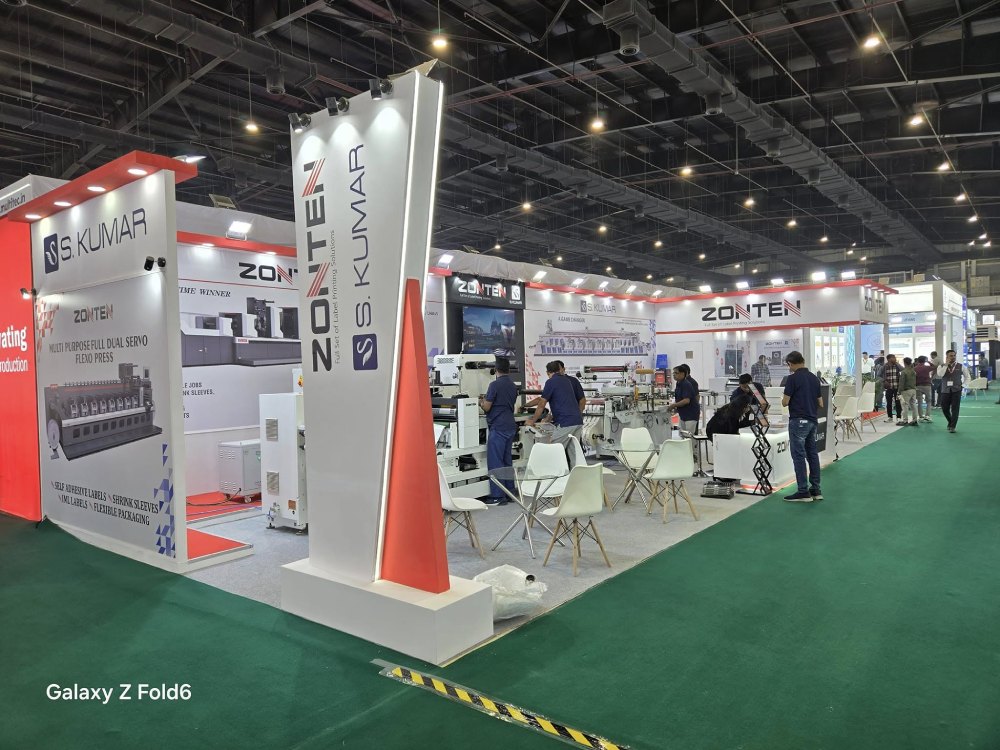
Exhibition stands are evolving rapidly as brands look for better ways to attract visitors, communicate their identity, and create memorable experiences. In 2026, exhibition stand design is moving beyond traditional displays toward more interactive, functional, and visually engaging environments.
1. Minimalist and Open Designs
Modern exhibition stands are increasingly using clean layouts, open spaces, and simple visual elements. Instead of filling every available area with graphics and products, brands are focusing on creating comfortable spaces that encourage visitors to enter and interact.
2. Interactive Brand Experiences
Interactive displays, touchscreens, product demonstrations, and digital presentations can help visitors understand products more effectively. These experiences also create opportunities for meaningful conversations between brands and potential customers.
3. Sustainable Exhibition Materials
Sustainability is becoming an important consideration in exhibition design. Reusable structures, recyclable materials, energy-efficient lighting, and modular components can help businesses create attractive stands while reducing unnecessary waste.
4. Strong Brand-Focused Visuals
A successful exhibition stand should communicate the brand within seconds. Consistent colours, typography, graphics, lighting, and messaging help create a strong visual identity and make the stand easier to recognize from across the exhibition floor.
5. Flexible and Modular Stands
Modular exhibition systems are becoming increasingly popular because they can be adapted for different booth sizes and events. Businesses can reuse and modify components instead of creating an entirely new structure for every exhibition.
Conclusion
The best exhibition stands in 2026 will combine creativity, functionality, technology, and strong brand storytelling. A well-planned stand can transform exhibition space into an engaging brand experience that attracts visitors and supports business goals.